


The Enneagram
What is the Enneagram?
In my practice, I frequently utilize the Enneagram, a personality typology with roots stretching far into the ancient past (approx. 2,000 years).
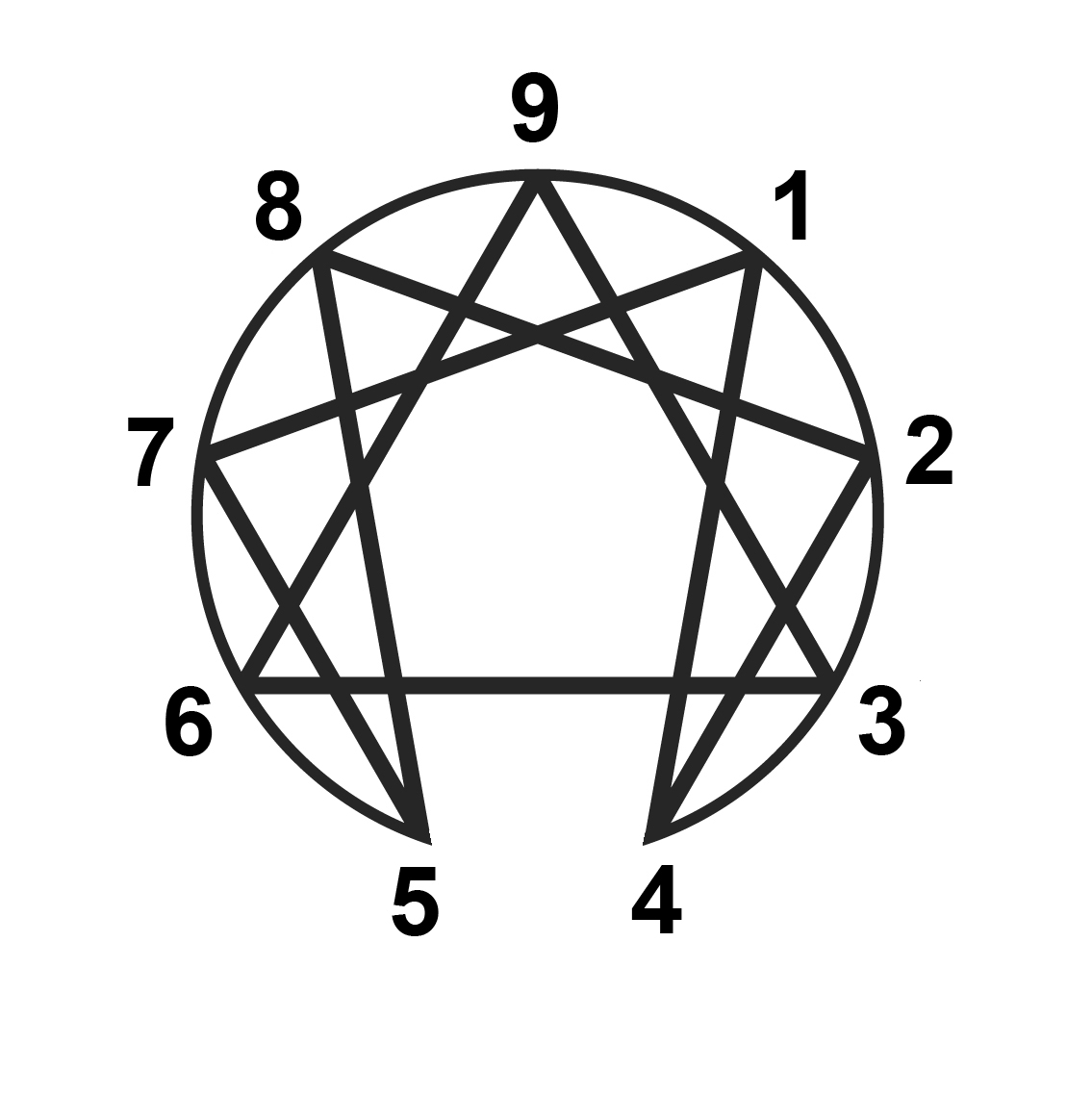
The Enneagram is a system that divides personalities into nine interconnected types. These types are designated by numbers to emphasize that no single type is better or worse than another.
I work with the Enneagram almost every day, both in consultations with clients and within therapeutic sessions. I perceive this tool as something unique for understanding and revealing who we truly are. Having led dozens of seminars on this topic, I look forward to our shared experiences in discovering the Enneagram during our upcoming seminar.
Why Enneagram?
The Enneagram is unique because it reflects not only outward behavior but goes much deeper—into the drivers and motives that initiate that behavior. For this reason, it is a powerful tool for achieving lasting change in our lives, especially in areas that bind us: whether it is constant fear, anxiety, procrastination, outbursts of anger, or the fear of expressing "negative" feelings (such as rage or terror). It also addresses subconscious manipulation, dependency on others, jealousy, envy, recurring states of exhaustion or burnout, and the inability to stop and rest.
By looking at the root of our behavior—what lies beneath it (why I cannot stop, why I am afraid to express or feel a certain emotion, why I freeze in situations where I should act)—and realizing the cause, change begins to flow into this behavior automatically. Unlike other typologies, it is not necessary to "adopt" a new type of behavior. We do not need to learn new techniques or cover our behavior with another layer of learned actions—those rarely last. It is enough to understand your motives and drivers, become aware of them, and consciously notice them daily. That which binds us and prevents us from living life more fully and joyfully will gradually fall away.
How to work with the Enneagram?
Once you become familiar with this typology, a path of self-discovery from a new perspective opens before you. You no longer stay at the surface of behavior, which is merely an expression of something subconscious. Instead, you go directly into the subconscious and bring it into the light of consciousness. Awareness is where every change begins.
By understanding yourself and others—why they act the way they do—your communication and, subsequently, your relationships will transform. You will also understand that your emotions and drivers are not necessarily what holds you in their grip; you stand above them. From this perspective of detachment, it is possible to achieve permanent changes in behavior. While this is not a path for the impatient, significant progress can be achieved quickly.